


Dental splint for sleep apnea
Custom mandibular advancement splint that keeps the airway open during sleep in people with obstructive sleep apnea.
What are the signs of sleep apnea?
The symptoms of sleep apnea can vary from person to person, but some common symptoms include:
- Loud and frequent snoring: Snoring is one of the most characteristic signs of sleep apnea. This snoring is usually loud, intermittent, and may be accompanied by breathing pauses.
- Breathing pauses during sleep: People with sleep apnea may experience brief and repetitive breathing pauses during the night.
- Excessive daytime sleepiness: Due to frequent awakenings during the night, people with sleep apnea often feel excessively sleepy during the day.
- Fatigue and tiredness: Despite sleeping during the night, people with sleep apnea may wake up feeling tired and fatigued.
- Attention and concentration problems: Lack of quality sleep can affect cognitive function.
- Morning headaches: People with sleep apnea may experience frequent headaches upon waking.
What are sleep apnea splints or mouth guards and how do they work?
Sleep apnea splints or mouth guards are oral devices designed to treat obstructive sleep apnea (OSA) and snoring. These splints are similar to anti-snoring splints but are specially designed to help keep the upper airways open during sleep and prevent obstruction episodes.
Sleep apnea splints or mouth guards work through mandibular positioning. They are placed in the mouth at night and adjust the position of the jaw and tongue to keep the airway open. By advancing the jaw forward, the collapse of throat structures is prevented and airflow during sleep is improved.
It is important to note that sleep apnea splints must be prescribed and fitted by a dental health professional or a sleep disorder specialist. A specialist will evaluate the degree of sleep apnea and design the splint in a personalized manner for each patient.
Apnea is also linked to bruxism; if you also clench your teeth at night, mention it at your assessment and the specialist will decide whether you also need a bruxism splint. If your apnea is moderate to severe, a sleep specialist may recommend other options, such as CPAP: we review them alongside our anti-snoring treatments.

What is the Process for Installing a Splint in Sleep Apnea Treatment?
The procedure for placing a sleep apnea splint may vary depending on the type of splint and the specific needs of each patient.
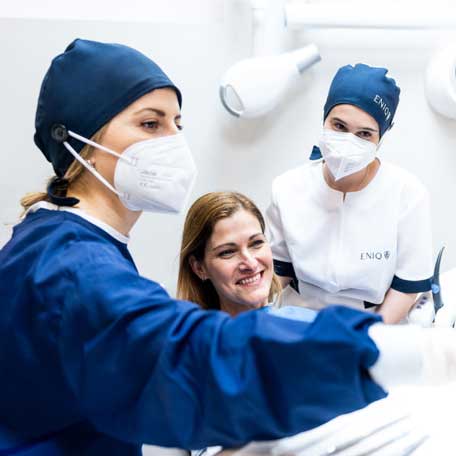

Procedure:
Evaluation and diagnosis:
The first step is to perform a complete evaluation of sleep apnea and determine if a splint is the appropriate treatment.
Taking impressions:
Impressions of the patient's mouth will be taken to obtain a personalized splint.
Design and fabrication:
The molds are sent to a dental laboratory where the splint will be designed and fabricated with durable and safe materials.
Fitting and testing:
The specialist will make the necessary adjustments to ensure the splint fits correctly and is comfortable.
Instructions for use:
Detailed instructions will be provided on how to place and use the splint correctly.
Follow-up:
It is important to schedule follow-up appointments to evaluate the effectiveness of the splint and make additional adjustments if necessary.
It is essential to follow the specialist's instructions and maintain open communication throughout the process to ensure the success of treatment with the sleep apnea splint.
What is the success rate of sleep apnea splints?
What are the benefits of a sleep apnea splint?
Placing a sleep apnea splint can provide several advantages and benefits for people who use it. Some of the most common advantages include:
Improvement of sleep apnea symptoms:
The splint helps keep the airways open during sleep, facilitating breathing and reducing or eliminating snoring and breathing pauses.
Improved sleep quality:
By keeping the airways clear, the splint allows for deeper and more restorative sleep. This can help reduce excessive daytime sleepiness and improve energy and alertness during the day.
Reduction of associated health problems:
Untreated sleep apnea can increase the risk of developing serious health problems, such as cardiovascular diseases, high blood pressure, diabetes, and strokes. Using the splint can reduce these risks by improving sleep quality and maintaining proper oxygenation during the night.
Improved quality of life:
By relieving sleep apnea symptoms and improving sleep quality, the splint can have a positive impact on overall quality of life. People who use the splint may experience greater energy, better concentration, and a reduction in associated health problems, allowing them to lead a more active and healthy life.
Comfort and ease of use:
Sleep apnea splints are usually comfortable to wear and easy to place. They are personalized and adapt to the patient's mouth, making them more comfortable than other devices used to treat sleep apnea.
It is important to note that the benefits of the splint may vary from person to person, and the effectiveness of the splint may depend on the severity of sleep apnea and other individual conditions. It is advisable to consult with a sleep disorder specialist to evaluate the feasibility and effectiveness of the splint in each case.
What is the price of a sleep apnea splint?
Sleep apnea splint
Sleep quality
Personalized splint for sleep apnea treatment. Improves sleep quality and reduces snoring.
All inclusive

Frequently asked questions about the sleep apnea splint
Answers to common questions about the sleep apnea splint in Madrid. customer service.
At ENIQ, the sleep apnea splint costs from €500. The final price depends on the type of splint and the customization required, and is confirmed after the specialist's assessment.
Both are custom-made mandibular advancement devices. The anti-snoring splint is designed mainly for simple snoring, while the sleep apnea splint is designed to keep the upper airways open and prevent obstruction episodes in mild or moderate obstructive sleep apnea.
It is indicated for mild-to-moderate apnea. For moderate-to-severe apnea, the sleep specialist may recommend CPAP, which Clínica ENIQ does not supply. That is why we assess each case in coordination with your sleep physician before recommending the splint.
Generally, 2 to 3 appointments are needed. The first for evaluation and taking impressions, the second for fitting and testing the splint, and possibly a third for follow-up and final adjustments. The entire process usually takes between 2 and 3 weeks.
Yes, the splints are personalized and adapt to the patient's mouth, making them comfortable to wear. There may be an initial adaptation period of a few days, but most patients get used to them quickly and find them very comfortable.
It should be cleaned regularly with a soft brush and a specific cleaner for oral devices, avoiding abrasive products.