


Estética dental infantil
Tratamientos estéticos adaptados para niños
Estética dental infantil y juvenil en Madrid
En Clínica ENIQ cuidamos la sonrisa de niños y adolescentes con tratamientos estéticos diseñados para cada etapa del desarrollo. Desde los dientes de leche hasta la dentición permanente del joven adulto, adaptamos cada solución al momento concreto que vive tu hijo o hija.
La estética dental juvenil exige técnicas distintas a las del adulto: respetamos el crecimiento dental, usamos materiales reversibles cuando procede, y trabajamos con coronas estéticas, carillas, blanqueamientos supervisados y reconstrucciones invisibles. Todo en un entorno amigable, sin dolor, en pleno barrio de Salamanca.
¿Es necesario realizar una pulpotomía en todos los casos antes de colocar una corona en niños?
No siempre es necesario realizar una pulpotomía antes de colocar una corona en niños. La pulpotomía es un procedimiento en el que se extrae parte de la pulpa dental infectada o inflamada de un diente de leche y se coloca un material especial para preservar la vitalidad del resto de la pulpa.
La necesidad de una pulpotomía dependerá de la condición específica del diente y la extensión de la caries o el daño dental. En algunos casos, si la caries ha avanzado y ha afectado la pulpa dental de manera significativa, es posible que se requiera una pulpotomía antes de colocar una corona. Esto se hace para eliminar la infección y proteger la salud del diente.
Sin embargo, en otros casos, cuando la caries está localizada en la parte externa del diente y no ha afectado profundamente la pulpa, es posible que una corona se pueda colocar directamente sin necesidad de realizar una pulpotomía. El dentista evaluará el estado del diente y determinará el mejor curso de acción en cada caso.
Es importante que consultes con un dentista o especialista en odontopediatría para que evalúe la situación dental de tu hijo y determine si es necesario realizar una pulpotomía antes de colocar una corona. El dentista proporcionará una recomendación personalizada basada en la evaluación de la salud dental del niño y las necesidades específicas del caso.

Proceso para colocar una corona metálica dental en un niño
Las coronas metálicas dentales son una opción popular en niños porque son altamente duraderas y pueden resistir las fuerzas de la masticación y el desgaste a largo plazo. Además, son relativamente económicas en comparación con otros tipos de coronas dentales.
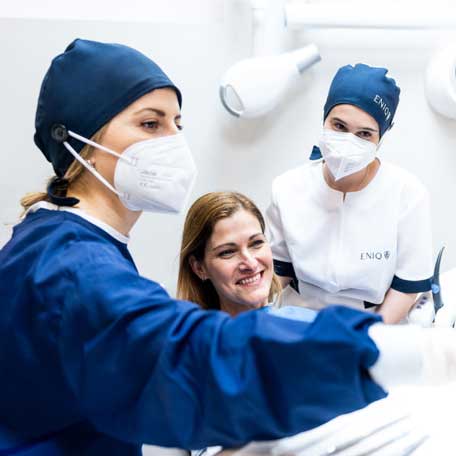

Proceso general para colocar la corona metálica
Preparación del diente
El diente dañado se prepara removiendo cualquier caries dental y dando forma al diente para que la corona pueda encajar adecuadamente. Este paso es fundamental para asegurar que la corona se ajuste correctamente y proporcione la protección necesaria al diente afectado.
Toma de impresión
Se toma una impresión del diente preparado para que se pueda fabricar una corona personalizada que se ajuste correctamente. Esta impresión permite crear una corona que se adapte perfectamente a la anatomía del diente del niño, garantizando comodidad y funcionalidad.
Colocación de la corona
Una vez que la corona metálica dental ha sido fabricada, se coloca sobre el diente preparado y se ajusta para asegurar un ajuste preciso. La corona se adhiere al diente utilizando un cemento dental especial que garantiza su estabilidad y durabilidad a largo plazo.
Es importante destacar que las coronas metálicas dentales en niños generalmente se consideran una solución temporal, ya que los dientes de leche eventualmente se caerán y serán reemplazados por los dientes permanentes. Sin embargo, en algunos casos, las coronas metálicas pueden ser utilizadas en dientes permanentes si es necesario. La decisión de utilizar una corona metálica dental en un niño será evaluada por un dentista o especialista en odontopediatría, quien considerará el estado del diente y las necesidades individuales del paciente.

¿Cuáles son los tipos de coronas disponibles para niños?
Existen varios tipos de coronas que se pueden realizar en niños, dependiendo de las necesidades específicas del caso y la preferencia del dentista. Algunos de los tipos de coronas más comunes para niños son los siguientes:
Coronas metálicas: Las coronas metálicas, generalmente hechas de acero inoxidable, son una opción duradera y resistente para restaurar dientes posteriores en niños. Son económicas y se pueden colocar de manera rápida y sencilla. Las coronas metálicas son especialmente adecuadas para dientes primarios que requieren una restauración de larga duración.
Coronas de porcelana: Las coronas de porcelana proporcionan una apariencia más estética, ya que se pueden ajustar para que coincidan con el color y la forma de los dientes naturales del niño. Estas coronas se utilizan comúnmente en dientes anteriores y proporcionan una restauración duradera y estética.
Coronas de resina compuesta: También conocidas como coronas de plástico, las coronas de resina compuesta se fabrican con un material similar al utilizado para los empastes blancos. Son estéticamente agradables y se pueden ajustar para que coincidan con el color de los dientes naturales. Sin embargo, no son tan resistentes como las coronas metálicas o de porcelana, por lo que pueden ser más adecuadas para dientes anteriores o temporales.
Coronas de acero cromado: Las coronas de acero cromado son similares a las coronas metálicas, pero están cubiertas con una capa de cromo para mejorar su apariencia estética. Son una opción duradera y económica para restaurar dientes primarios posteriores.
Es importante tener en cuenta que la elección del tipo de corona dependerá de varios factores, como la ubicación del diente, la extensión del daño, la edad del niño y las necesidades estéticas y funcionales específicas. Un dentista o especialista en odontopediatría podrá evaluar la situación dental del niño y recomendar el tipo de corona más adecuado para su caso.
¿Cuál es la mejor opción: las restauraciones estéticas o las metálicas en niños?
La elección entre restauraciones estéticas y restauraciones metálicas en niños depende de varios factores, incluyendo la ubicación del diente, la extensión del daño, las necesidades estéticas y funcionales, así como la edad y la cooperación del niño. Ambos tipos de restauraciones tienen sus ventajas y consideraciones.
Restauraciones estéticas: <strong>Aspecto natural:</strong> Las restauraciones estéticas, como los empastes blancos de resina compuesta o las coronas de porcelana, se diseñan para coincidir con el color y la apariencia natural de los dientes. Esto las hace más estéticas y menos visibles. <strong>Conservación del tejido dental:</strong> Requieren menos eliminación de tejido dental sano, ayudando a preservar la estructura dental natural. <strong>Versatilidad:</strong> Se pueden utilizar en diferentes ubicaciones dentales, incluyendo los dientes frontales y posteriores.
Restauraciones metálicas: <strong>Durabilidad:</strong> Las restauraciones metálicas, como las coronas de acero inoxidable, son altamente duraderas y resistentes al desgaste. Son adecuadas para dientes posteriores que soportan mayor carga masticatoria y para niños activos. <strong>Menor costo:</strong> Suelen ser más económicas en comparación con las restauraciones estéticas. <strong>Facilidad de colocación:</strong> Se pueden colocar de manera rápida y sencilla, beneficioso para niños pequeños o inquietos que pueden tener dificultades para mantenerse quietos durante procedimientos más largos.
En última instancia, la elección entre restauraciones estéticas y metálicas dependerá de la evaluación individual del caso, las necesidades del niño y las preferencias de los padres. Es importante consultar con un dentista u odontopediatra, quienes podrán evaluar la situación dental del niño y brindar recomendaciones personalizadas para determinar qué tipo de restauración es la más adecuada en cada situación específica.
¿Cuáles son las consecuencias de no realizar una corona metálica dental en un niño?
Si no se realiza una corona metálica dental en un niño cuando se recomienda, puede tener varias consecuencias negativas para su salud dental.
Mayor deterioro dental
Si el diente dañado o debilitado no se trata adecuadamente con una corona metálica, es probable que el problema empeore con el tiempo. La caries dental puede progresar y dañar aún más la estructura del diente, lo que puede llevar a una mayor pérdida de tejido dental y a problemas más graves en el futuro.
Dolor y sensibilidad
Los dientes dañados pueden volverse sensibles y dolorosos, especialmente cuando se exponen a estímulos como alimentos calientes, fríos o dulces. La falta de tratamiento adecuado puede aumentar la sensibilidad y el dolor, lo que puede afectar negativamente la calidad de vida del niño.
Mayor riesgo de infección
Un diente dañado o con caries no tratadas puede aumentar el riesgo de infección dental, como un absceso dental. Las infecciones pueden ser dolorosas y requerir tratamientos más invasivos, como endodoncia o extracción del diente.
Problemas de mordida y alineación
La falta de una corona metálica puede afectar negativamente la mordida y la alineación de los dientes. Si un diente dañado no se restaura adecuadamente, puede alterar la forma en que los dientes superiores e inferiores se juntan al cerrar la boca. Esto puede provocar problemas de maloclusión y desajustes en la mordida.
Necesidad de tratamientos más invasivos
Si el problema dental se agrava debido a la falta de una corona metálica, puede ser necesario realizar tratamientos más invasivos y costosos en el futuro, como endodoncia, extracción del diente o incluso tratamientos de ortodoncia para corregir problemas de mordida y alineación.
Es importante tener en cuenta que cada caso es único y las consecuencias pueden variar dependiendo de la condición y el estado del diente afectado. Si se te ha recomendado una corona metálica dental para tu hijo, es importante seguir el consejo del dentista u ortodoncista y buscar el tratamiento adecuado para prevenir complicaciones y mantener la salud bucal a largo plazo.
¿Cuál es el precio de una corona dental metálica para un niño?
Corona dental
Cuidado de los más pequeños
Restauración dental completa para proteger y restaurar dientes dañados en niños. Incluye preparación del diente, toma de impresión y colocación de la corona.
Evaluación completa del diente afectado
Preparación y limpieza del diente
Toma de impresión personalizada
Fabricación de corona a medida
Colocación y ajuste preciso
Seguimiento post-tratamiento

FAQ
Preguntas frecuentes sobre estética dental infantil y juvenil
Resuelve tus dudas sobre estética dental para niños y adolescentes en Madrid. servicio de atención al cliente.